
World Glaucoma Week (March 9–15) highlights a silent and often overlooked eye disease.While it is typically associated with older adults, glaucoma can also affect children, making early detection and treatment critical in preventing vision loss.
Childhood glaucoma, also known as paediatric glaucoma, is a rare but serious condition caused by improper fluid drainage in the eye. This leads to increased intraocular pressure (IOP), which can damage the optic nerve and potentially irreversibly cause vision loss if not treated promptly.
This global initiative raises awareness of the early signs of childhood glaucoma and emphasises the importance of timely diagnosis and intervention to safeguard children’s vision and overall quality of life.
Types of childhood glaucoma
- True congenital glaucoma: Also known as newborn glaucoma, this subtype accounts for approximately 25% of cases of PCG. In true congenital glaucoma, the child is either born with ocular enlargement or enlargement of the eyes is noticed within the 1st month of life. The elevation IOP likely occurs during foetal life.
- Infantile glaucoma: This subtype of PCG includes patients who manifest symptoms between ages 1 and 36 months and accounts for approximately 65% of patients with PCG.
- Juvenile glaucoma: This subtype accounts for approximately 10% of cases of PCG and includes patients with signs of elevated IOP that manifest between 3 years and adulthood.
Signs to look out for
In children, glaucoma often shows noticeable symptoms, unlike the silent progression seen in adults. Early detection is crucial because childhood glaucoma can develop quickly and cause serious vision problems.
Watch for these key signs:
- Light Sensitivity (Photophobia): Children with glaucoma often squint or avoid bright light due to increased eye sensitivity.
- Excessive Tearing (Epiphora): Excessive tearing, unrelated to crying, can indicate eye pressure or drainage issues.
- Cloudy or Enlarged Corneas: The cornea, the clear front part of the eye, may appear cloudy or look larger than expected due to elevated intraocular pressure.
- Eye Redness and Irritation: Persistent redness or eye irritation can be a warning sign of underlying issues, including glaucoma.
- Frequent Eye Rubbing: Kids with glaucoma may frequently rub their eyes due to discomfort or blurred vision.
- Poor Vision or Difficulty Focusing: Glaucoma can affect visual clarity, leading to trouble focusing on objects, which may manifest as clumsiness or difficulty in school.
- Abnormal Head Tilting: Some children with glaucoma tilt their heads or cover one eye to improve their vision.
Risk Factors
Certain factors can increase a child’s risk of glaucoma. A family history of glaucoma raises the risk, even in young children. Eye injuries or surgeries can affect how the eye drains fluid, which may lead to glaucoma. Conditions such as Sturge-Weber syndrome also make glaucoma more likely. Premature babies are at higher risk, as their eyes might not fully develop.
Importance of Early Detection
Early detection and treatment are key to preventing permanent vision loss in children, as their visual systems are still developing. Regular eye check-ups should begin in infancy, especially for children with a family history of glaucoma or other risk factors. Parents should look for signs such as light sensitivity, red eyes, or excessive tearing and see a paediatric eye specialist if glaucoma is suspected.
Diagnosing Childhood Glaucoma
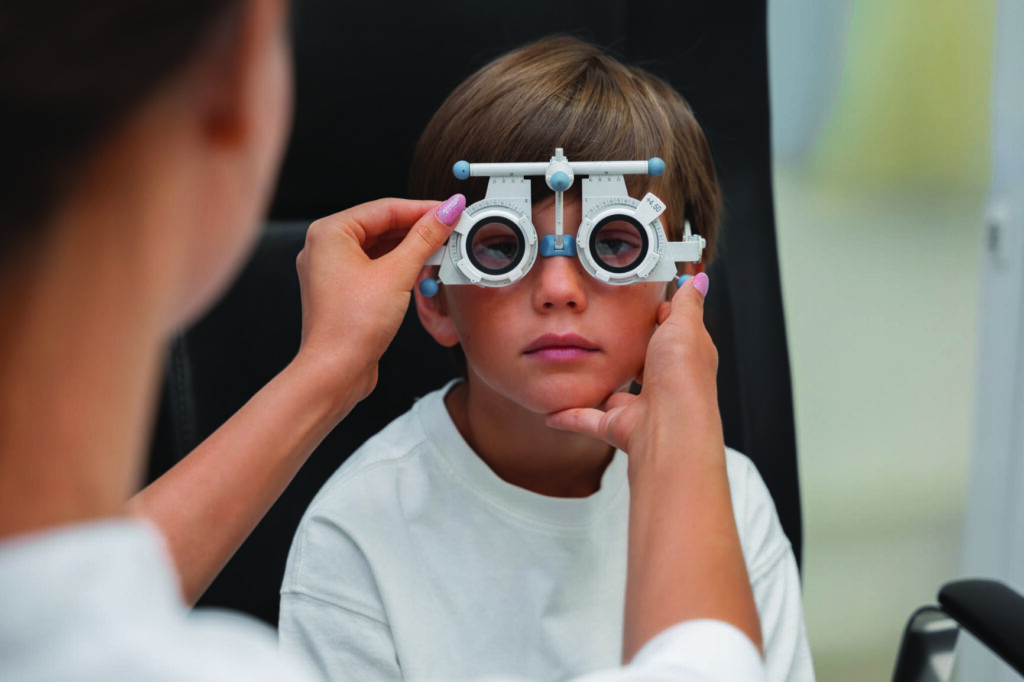
Diagnosing glaucoma in children needs special tools and expert care. Common tests include tonometry to check eye pressure and ophthalmoscopy to look for optic nerve damage. Pachymetry measures the thickness of the cornea, while a visual field test checks for peripheral vision loss. These tests help ensure an accurate diagnosis and proper treatment plan.
Treatment Options for Childhood Glaucoma
Treatment for childhood glaucoma aims to reduce intraocular pressure and prevent further damage to the optic nerve. Options include:
- Medications: Eye drops or oral medications can lower eye pressure and are often the first line of treatment.
- Surgery: To improve fluid drainage in the eye, surgical procedures, such as trabeculectomy or goniotomy, may be required.
- Laser Therapy: In some cases, laser treatment is used to manage intraocular pressure.
- Vision Rehabilitation: Children with significant vision loss may benefit from vision therapy or assistive devices to enhance their quality of life.
Call to Action
If your child shows any signs of glaucoma or has risk factors, schedule a comprehensive eye exam right away. Early intervention is crucial for protecting their vision and overall quality of life. Click here to learn more about glaucoma and how to manage it.
Video: GLAUCOMA IN KIDS: SIGNS TO WATCH FOR
Boilerplate and Editor’s Notes.
More Info on GLAUCOMA IN KIDS: SIGNS TO WATCH FOR here:
Twitter: https://twitter.com/APCPublishers
Facebook: https://www.facebook.com/apcpublishers/
CLICK HERE to submit your press release to MyPR.co.za.


