
As temperatures drop, many people living with diabetes may find their usual routines disrupted. Cold weather, seasonal illnesses, comfort food cravings, and changes in physical activity can all contribute to making diabetes more difficult to manage.
According to the International Diabetes Federation, more than 4.5 million South Africans are living with diabetes, many of whom are unaware that the colder months require special adjustments to stay well.
Whether you’re living with Type 1 or Type 2 diabetes, understanding how winter affects your condition and how to stay ahead of it can make a big difference.
Type 1 vs Type 2
Type 1 diabetes is an autoimmune condition where the body stops producing insulin, usually diagnosed in childhood or early adulthood. People with Type 1 need daily insulin injections to manage their blood sugar.
Type 2 diabetes usually develops slowly and is often linked to diet, weight, and activity levels. The body still makes insulin, but it doesn’t use it the right way. Type 1 and Type 2 need proper care, but how they’re managed can differ for each person.
Why Winter Can Disrupt Diabetes Control
Cold temperatures may trigger the release of stress hormones like cortisol, which can raise blood sugar levels. At the same time, people are often less physically active and more likely to eat heavier, carbohydrate-rich meals during winter, which can impact blood glucose control and make diabetes more complicated to manage.
How Cold Weather Affects Blood Sugar
The body’s response to cold stress can result in a spike in blood sugar levels. In freezing conditions, your body works harder to stay warm, increasing hormone production and making it more difficult for insulin to work effectively. For people who use insulin or other diabetes medications, this could mean adjusting dosages or monitoring blood glucose more frequently.
Keep Moving, Even When It’s Cold
Cold, dark days can make it hard to stay active, but regular movement is important for managing blood sugar. Sitting too much can lead to insulin resistance and higher glucose levels. Even simple indoor activities, like walking around the house or using water bottles as weights, can help keep your blood sugar steady.
Avoiding Winter Illnesses
Getting sick with a cold or flu can wreak havoc on blood sugar levels. The body’s immune response to infection can drive blood glucose higher. Illness also tends to reduce appetite or hydration, which can cause problems for people using insulin or other diabetes medications.
To avoid illness, people with diabetes should prioritise hygiene, such as regular handwashing, and avoid close contact with sick individuals.
Insulin and Medication Storage
Did you know that insulin can lose its effectiveness if it freezes? If you’re storing insulin at home, keep it in the fridge between 2°C and 8°C, but never in the freezer or near the back of the refrigerator where it might get too cold. When travelling, keep your insulin in an insulated pouch—not left in a freezing car or exposed to icy conditions. Blood glucose meters and test strips can also give inaccurate readings in extreme cold, so storing them at room temperature when possible is important.
Eat Smart
Many people reach for rich, carb-heavy comfort foods in winter, which can raise blood sugar. The good news is that plenty of seasonal vegetables, such as spinach, butternut, cabbage, broccoli, and sweet potatoes, are tasty and diabetes-friendly when cooked with little added fat or sugar. Try using these ingredients to make hearty soups and stews. Pair them with lean proteins and whole grains for warm, balanced meals that help keep your blood sugar steady.
Spot Warning Signs
Cold weather can hide signs that your blood sugar isn’t right. Look out for things like:
- Feeling very thirsty
- Needing to wee more than usual
- Feeling tired or low on energy
- Blurry vision or confusion
These could be signs that your blood sugar is too high or too low and needs attention quickly.
Helping Children and Older Adults
Winter can be extra challenging for children and older adults with diabetes. Cold weather, missed meals, and weaker immune systems can make staying healthy and managing their condition harder.
Caregivers can support them by making sure they:
- Stay warm with the proper clothing
- Eat regular, healthy meals
- Drink enough water
- Keep quick sugar options nearby, like juice or glucose tablets
Final Thoughts
Just because it’s winter doesn’t mean your diabetes care should take a back seat. With a few simple changes to your daily routine, you can stay healthy, active, and in control, even when it’s cold outside. You don’t have to manage it all on your own, either. Affinity Health’s Diabetes Management Programme supports you every step of the way, with access to GP consultations, chronic medication, personalised care plans, and convenient telehealth services.
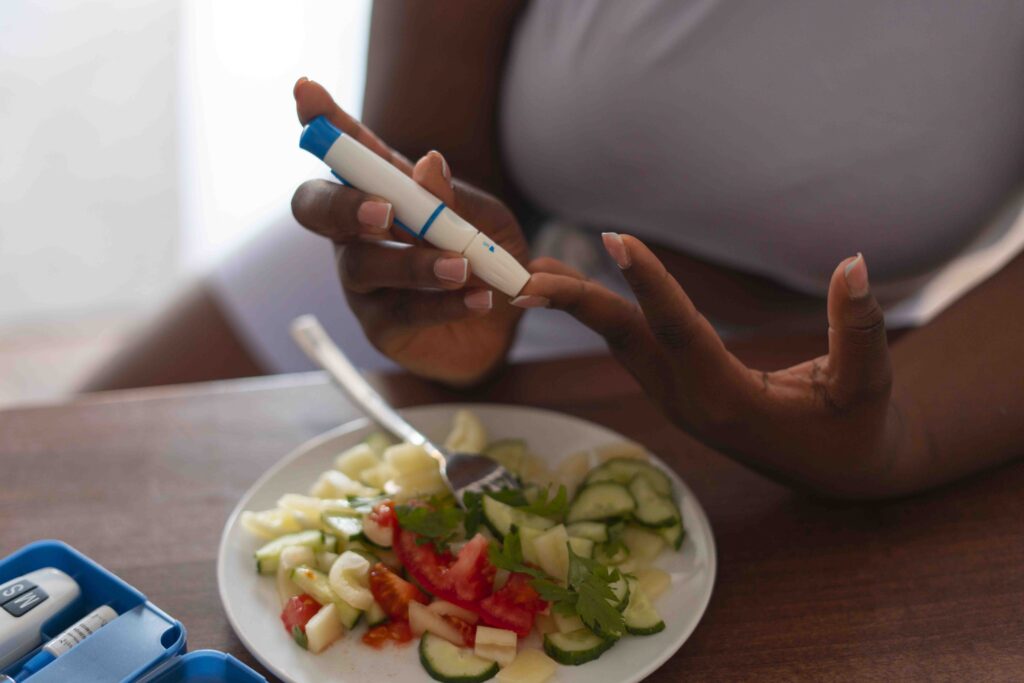
Video: Managing Diabetes in Winter
Boilerplate and Editor’s Notes.
More Info on Managing Diabetes in Winter here:
Twitter: https://twitter.com/APCPublishers
Facebook: https://www.facebook.com/apcpublishers/


