
Mpumalanga, South Africa – Music has long been recognised as a powerful therapeutic tool, and recent insights from mental health professionals demonstrate how artistic expression can serve as a catalyst for recovery from addiction, depression, and abuse. The journey through mental health challenges often requires multiple approaches, and music therapy represents one vital component of comprehensive treatment.
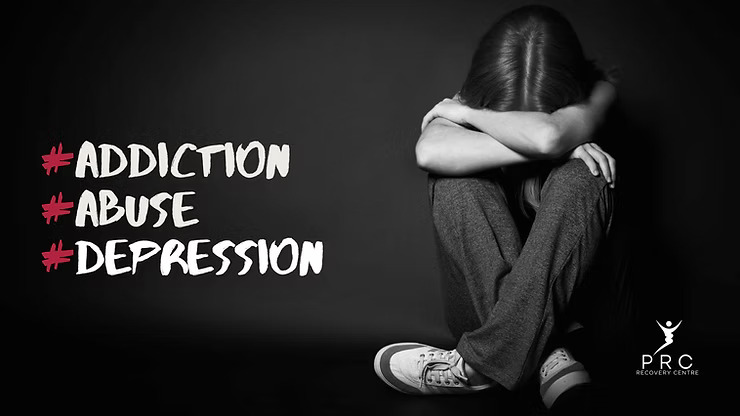
The intersection of depression, addiction, and abuse creates a particularly dangerous combination that mental health experts describe as a “potent formula” for serious psychological distress. These interconnected issues often reinforce each other, creating cycles that can seem impossible to break without professional intervention and support.
Depression affects individuals regardless of age, gender, race, or socioeconomic status. Unlike temporary sadness or mood changes, clinical depression represents a persistent condition that cannot be resolved through simple lifestyle changes or positive thinking. Many individuals experiencing depression turn to substances as a way to temporarily numb their emotional pain, which can lead to addiction and further complicate their recovery journey.
The relationship between mental health struggles and abusive relationships is equally complex. Victims of narcissistic abuse often experience gaslighting, manipulation, and emotional trauma that can trigger or worsen existing mental health conditions. The psychological impact of such relationships can leave individuals questioning their own reality and worth, making it even more challenging to seek help.
Music therapy and artistic expression provide unique pathways for processing trauma and emotions that may be difficult to express through traditional talk therapy alone. When individuals connect with songs or artistic works that reflect their own experiences, it can serve as both validation and inspiration for their recovery journey.
Recovery professionals emphasise that suicidal thoughts represent a temporary response to what feels like permanent problems. The importance of professional intervention cannot be overstated, as trained therapists and counsellors can provide the tools and support necessary to navigate these challenging periods safely.
The message “Hold On Pain Ends” serves as a reminder that mental health struggles, whilst intense and overwhelming, are treatable conditions. With proper support, therapy, and sometimes medication, individuals can move from victim to survivor, reclaiming their lives and establishing healthy relationships.
Mental health awareness continues to grow, but conversations about depression, addiction, and abuse remain crucial in reducing stigma and encouraging those who are struggling to seek help. Professional treatment centres emphasise the importance of comprehensive care that addresses the interconnected nature of these challenges.
For those seeking support for addiction, depression, or abuse recovery, professional help is available. Pace Recovery Centre offers comprehensive treatment programmes designed to address these complex issues with compassion and expertise. The centre provides personalised addiction recovery programmes tailored to individual needs. Those interested in learning more about available support can contact the centre for consultation and guidance.
Contact Information: Pace Recovery Centre 3 Raamsaag Street, Sabie, Mpumalanga, South Africa +27 61 657 0948
Boilerplate and Editor’s Notes.
More Info on Music as a Catalyst for Mental Health Recovery: Understanding the Connection Between Depression, Addiction, and Abuse here:
Twitter: https://twitter.com/PrcRecovery
Facebook: https://www.facebook.com/PRCSabieMpu/


