
Renewable energy is here to stay, as seen by the fast adoption of renewable energy generation in South Africa to date. According to the Council for Scientific and Industrial Research (CSIR) statistics from 2022, renewable energy has a role to play in reducing demand on the failing South African energy grid.
“In 2022, the VRE fleet of 6.2 GW (wind, solar PV, CSP) reduced high-demand hours by ~ 70% – VRE fleet reduced peak demand by ~ 1.4 GW – VRE fleet also reduced high-demand hours (hours with >30 GW system demand) from 583 hours to 177 hours (406 hours less, -70%)” – CSIR
In South Africa, the regulation of the electricity sector falls under the jurisdiction of the National Energy Regulator of South Africa (NERSA), one of three energy regulators established under the National Energy Regulator Act, 2004 (NRA), which regulates electricity, piped gas and petroleum pipeline industries.
Introduction to the IPP procurement programme process
The legal renewable energy procurement process in South Africa primarily revolves around the country’s Renewable Energy Independent Power Producer Procurement (REIPPP) program. This program was launched in 2011 and aims to procure renewable energy from IPPs through a competitive bidding process, as follows:
- Bid Window Announcement: The DMRE announces the opening of a new bid window, specifying the renewable energy technologies, capacity, and any specific requirements for the procurement round.
- Request for Proposals (RFP): The DMRE releases a comprehensive RFP document that provides details of the bidding process, project requirements, evaluation criteria, and contractual terms. The RFP includes information on the project size, site requirements, socio-economic development requirements, and other technical and financial specifications.
- Bid Submission: Interested IPPs submit their bids in response to the RFP, including comprehensive project proposals that cover technical aspects, project financing, economic development plans, and environmental impact assessments.
- Bid Evaluation: The bids are evaluated by a team of experts, including technical, financial, and legal professionals. The evaluation process typically considers factors such as project feasibility, experience of the bidder, local content commitments, job creation, price competitiveness, and adherence to environmental and social sustainability criteria.
- Preferred Bidder Selection: After the evaluation process, the DMRE announces the preferred bidders who have been selected based on their proposals’ competitiveness and compliance with the evaluation criteria. These preferred bidders are typically awarded power purchase agreements (PPAs) for their projects.
- PPA Negotiation: The preferred bidders enter into negotiations with the state-owned utility, Eskom, or other authorised off-takers to finalise the terms of the PPA. The negotiations cover aspects such as electricity tariffs, contract duration, project milestones, grid connection, payment terms, and dispute resolution mechanisms.
- Financial Close: Once the PPA negotiations are successfully concluded, the preferred bidders secure project financing and achieve financial close. This involves finalizing funding arrangements with banks, development finance institutions, and other investors.
- Construction and Commissioning: The selected IPPs commence the construction and development of their renewable energy projects. They are responsible for ensuring compliance with environmental and social regulations, grid connection requirements, and completion of the project within specified timelines.
- Operations and Maintenance: Upon commissioning, the IPPs are responsible for the ongoing operations, maintenance, and monitoring of the renewable energy projects throughout the agreed contract period.
Caveat Energy Law Services
Specialist energy law teams at Caveat Legal provide advice and document drafting services relating to the procurement and generation of electricity from both renewable energy sources (e.g. solar, wind and hydro) and non-renewable sources (e.g. coal, crude oil and natural gas), bid preparation and the construction of power plants, energy efficiency (e.g. in relation to buildings) and the licensing of energy-related developments (e.g. pipelines and the storage, refining and retailing of oil and gas), project finance and the drafting of power purchase, rent to own, operation and maintenance, engineering, design, supply and installation agreements.
Energy projects require input from a wide range of overlapping fields of law including commercial law, public procurement law, construction and engineering law, project finance law, environmental law and regulatory compliance. As such, most major energy companies and energy projects require a multidisciplinary team of energy lawyers to achieve the required result. Caveat’s team assists with all aspects of the process including the drafting of bid documents, conducting environmental impact assessments, drafting of construction agreements, power purchase agreements, rent to own, EPC and O&M agreements, and relevant project finance-related documents.
Click here to learn more about our Energy Law Services. To find out more about Caveat Legal, or to contact our team, please visit us at www.caveatlegal.com.
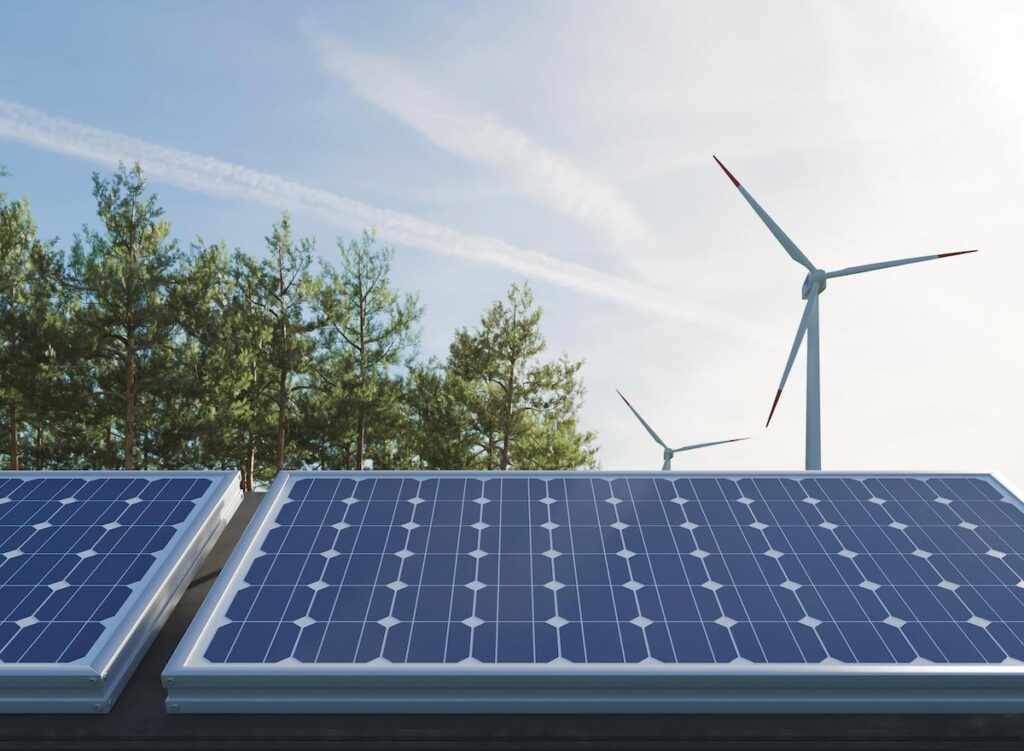
Image by Freepik.com
Boilerplate and Editor’s Notes.
More Info on Renewable Energy Procurement: Legal Considerations and Best Practices
CLICK HERE to submit your press release to MyPR.co.za.


