
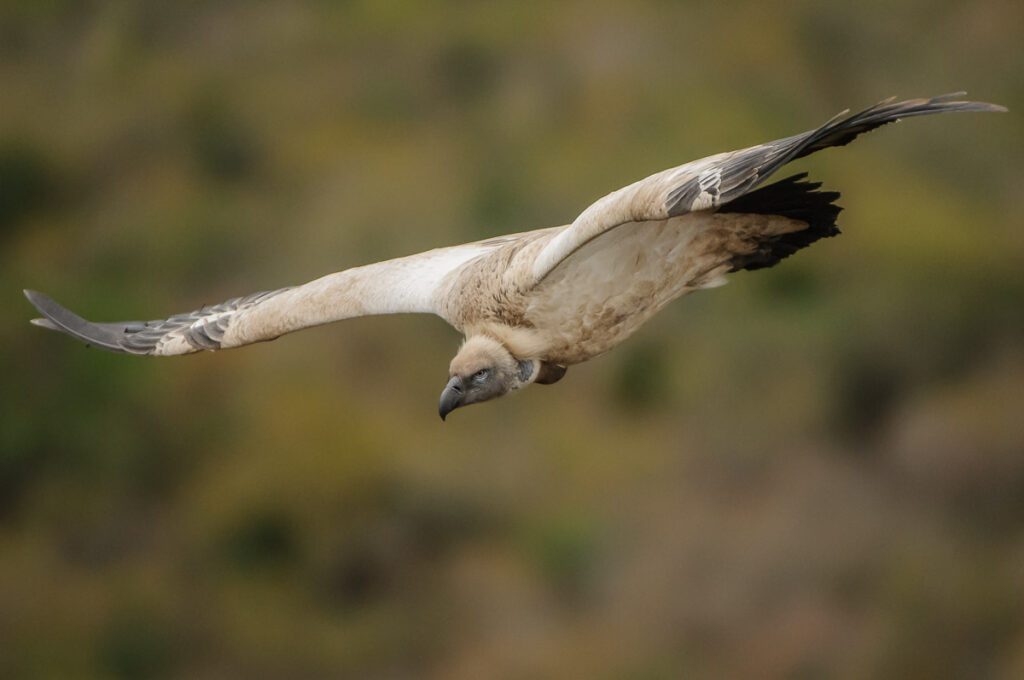
Makhanda, 24 May 2024 : The Eastern Cape of South Africa is a region of immense natural beauty and biodiversity. It is also a place where the interests of conservation and renewable energy are currently intersecting in complex ways. On one hand, organizations like VulPro are working tirelessly to protect vultures, a group of birds that are facing a dire conservation crisis across Africa due to threats such as poisoning, habitat loss, and collisions with man-made structures, including wind turbines. On the other hand, the Eastern Cape has been identified as a prime location for wind farms, which are a key component of South Africa’s strategy to shift towards clean energy production.
The debate around wind farms in protected areas is a contentious one. Proponents of renewable energy argue that wind farms are essential for reducing greenhouse gas emissions and combating climate change. The Eastern Cape, with its strong onshore breezes, is an ideal location for wind energy projects, which have been shown to mitigate significant amounts of carbon dioxide equivalent in greenhouse gas emissions annually. However, the placement of wind farms in or near protected areas can pose significant risks to biodiversity.
One of the primary concerns is the impact on bird and bat populations. Collisions with wind turbines are usually fatal, which can be particularly severe for species with diminishing populations and slow breeding rates such as vultures. Additionally, the infrastructure associated with wind farms can lead to habitat loss and fragmentation, disrupting the movement patterns and behaviours of wildlife. These impacts are not just limited to birds and bats; the presence of wind farms can affect a wide range of species and ecological processes.
VulPro’s work highlights the importance of considering these biodiversity risks when planning and implementing wind energy projects. Their holistic approach to conservation, which includes rehabilitation, research, education, and captive breeding programs, is crucial for the survival of African vultures. Moreover, their efforts in monitoring and mitigating threats to vultures provide valuable insights into how renewable energy projects can coexist with wildlife conservation initiatives.
To strike a balance between the need for clean energy and the protection of biodiversity, careful planning and the application of the mitigation hierarchy are essential. This approach involves avoiding impacts where possible, minimizing those that cannot be avoided, restoring impacted areas, and, as a last resort, offsetting the impacts by contributing to the conservation of biodiversity elsewhere.
The situation in the Eastern Cape serves as a microcosm of the global challenge of balancing human development with the preservation of the natural world. It underscores the need for collaboration between conservationists, energy companies, governments, and local communities to ensure that the transition to renewable energy does not come at the expense of the very ecosystems we depend on for our survival.
In conclusion, while wind farms represent a promising avenue for sustainable energy, their development must be carefully managed to safeguard the rich biodiversity of regions like the Eastern Cape. Organisations like VulPro play a pivotal role in this process, advocating for the protection of vulnerable species and guiding the implementation of renewable energy projects in a way that minimizes their ecological footprint. As the world moves towards a greener future, it is imperative that we do not overlook the intricate web of life that sustains us all.
Video: Vulture Protection, Wind Farms and Biodiversity in the Eastern Cape: The Complex Interplay
Boilerplate and Editor’s Notes.
More Info on Vulture Protection, Wind Farms and Biodiversity in the Eastern Cape: The Complex Interplay here:
Twitter: https://www.twitter.com/FriedTomatoCo
Facebook: https://www.facebook.com/TheFriedTomatoCo/
CLICK HERE to submit your press release to MyPR.co.za.


