
You’re no stranger to the world of SEO, but have you mastered the art of international targeting? As your business reaches across borders, it’s crucial that your website speaks the right language. Enter hreflang tags – these nifty bits of code ensure your content resonates with audiences worldwide. But don’t be fooled, it’s not as simple as ‘copy and paste’. There’s a whole strategy behind creating effective multilingual content and managing duplicate copy across different languages. You’ll also need to tackle multiregional SEO challenges while mastering link building for multilingual sites. And let’s not forget about monitoring your site’s performance! It may sound daunting, but don’t worry – this comprehensive guide is here to help you navigate through each step with ease. So buckle up and get ready to take your global SEO game to new heights!
Understanding the Importance of Market Localisation
You’ve got to appreciate the significance of market localisation, as it’s a game-changer in making your content resonate with international audiences. It’s not merely about translating your content into different languages; it goes beyond that. Market localisation involves tailoring your product or service to meet the needs and wants of a specific local market.
One critical aspect of market localisation is cultural sensitivity. You should always be aware of the cultural norms and values of the countries you’re targeting. For instance, certain colours, symbols, or phrases might have different connotations in other cultures which could dramatically affect how your brand is perceived. Images and slogans that work well in one country may fall flat or even offend potential customers in another.
Demographic adaptation also plays a crucial role here. Different markets have diverse demographic profiles – age distribution, income levels, education status – all these factors can greatly influence consumer behaviour and preferences. A deep understanding of these demographics enables you to create more personalised and relevant content that speaks directly to each target audience.
SEO strategies are fundamental when you’re dealing with international markets too. Employing hreflang tags correctly ensures Google understands which language you’re using on a particular page so it can serve that page to users searching in that language.
Applying these principles doesn’t just make for better SEO ranking; it leads to improved user experience, reduced bounce rates, increased time on site and ultimately higher conversion rates for your business globally. It’s all about creating content that resonates deeply with each unique audience segment across borders.
The Basics of Language Tagging for Websites
Understanding the basics of language tagging for your website can significantly boost its global reach and user engagement. It’s an essential part of international SEO strategies, allowing search engines to understand which language you’re using on a particular page. Consequently, it helps deliver your content to users who speak that language.
Language tagging involves using ‘hreflang’ tags in your site’s HTML code. These tags indicate the language and geographical targeting of a webpage, facilitating correct indexing by search engines. However, successfully implementing hreflang tags requires an appreciation of cultural sensitivity and linguistic diversity.
Cultural sensitivity is vital when creating content for different regions or countries since traditions, customs, and societal norms vary widely across the globe. What might be deemed acceptable or appealing in one culture could be offensive or irrelevant in another. Hence, it’s crucial to adapt your content according to the cultural context of each targeted region.
On the other hand, linguistic diversity refers to the variety of languages spoken within a specific area or among a group of people. Recognising this diversity means acknowledging that not all internet users speak English – many prefer browsing in their native tongue.
Therefore, incorporating hreflang tags into your website design not only respects linguistic diversity but also demonstrates cultural sensitivity by ensuring that your content is relevant and accessible to a global audience.
Harnessing these elements will enhance user experience on your site dramatically; when visitors feel understood and valued due to personalised content delivered in their language preference, they are more likely to engage with what you offer – ultimately benefiting both parties involved.
Creating Multilingual Content
Ready to take your website global? Crafting multilingual content is the key to unlocking that door and connecting with audiences worldwide. But it’s not as simple as running your content through a translation tool and calling it a day. SEO strategies for international targeting demand more than just language translation; they need cultural sensitivity and translation accuracy.
When creating multilingual content, cultural sensitivity should be at the forefront of your strategy. This means understanding and respecting the customs, traditions, and societal norms of the regions you’re targeting. It goes beyond merely translating words; it’s about conveying meanings, recognising idioms, slang, humour or references that may not have an equivalent in another language. Cultural sensitivity helps ensure your message resonates with local audiences rather than alienating them.
Translation accuracy is equally critical when crafting multilingual content. Even small errors can lead to miscommunication or even offend users in different regions, damaging your brand reputation. To avoid such pitfalls, consider employing professional translators who are native speakers of their respective languages. They’ll grasp nuances that automated tools might miss.
Moreover, remember to optimise your translated content for search engines in each target country using hreflang tags correctly. This will help Google understand which language you’re using on specific pages so that they can serve the right ones to users based on their location and preferences.
Creating effective multilingual content requires careful thought and planning but will pay dividends in reaching a wider audience globally without stepping on cultural toes or losing meaning through poor translation.
Implementing Language Tags Effectively
Navigating the world of multilingual content can be tricky, but don’t worry – implementing language tags effectively is a piece of cake once you’ve got the hang of it. You just need to understand a few key concepts and avoid common pitfalls like Language Tag Errors.
Language tag errors are one of the most common issues faced when dealing with international SEO. They typically occur when incorrect or incomplete language codes are used in hreflang annotations. These tiny oversights can have significant impacts on your site’s SEO performance. Therefore, always ensure that you use the correct ISO 639-1 language codes for your tags.
Next, let’s talk about tagging non-text content. A lot of websites feature images, videos and other forms of non-textual content which are often overlooked during the tagging process. Remember, search engines aren’t capable of comprehending visual content on their own.
To ensure your multimedia content is properly indexed and reaches its intended audience, each piece needs to have an appropriate hreflang annotation tagged to it. For instance, if you’ve got a video tutorial in Spanish hosted on your English website, make sure you tag it appropriately so Spanish speaking users can find it more easily.
Remember: Effective implementation isn’t just about adding as many tags as possible; it’s about strategically placing them where they’ll yield maximum benefits. It takes some practice but once mastered, proper implementation will significantly boost your website’s visibility across different regions and languages.
When done right, these steps can turn even an amateur into an international SEO pro! So go ahead and give these tips a try – improving your global reach is only a few well-placed tags away!
Navigating the Challenges of Multiregional SEO
Tackling the complexities of multiregional web optimisation can feel like finding your way through a dense jungle, but with the right strategy and an adaptable mindset, you’ll soon be cutting through the undergrowth with ease. A key part of this task involves understanding and utilising local SEO tactics and geo targeting techniques to boost your website’s visibility in different regions.
For starters, local SEO tactics are all about making your content relevant to users in specific areas. This could mean incorporating region-specific keywords into your content or using hreflang tags to ensure that search engines display the right version of your site to users from different countries. It’s also crucial that you optimise for mobile search as many people now use smartphones rather than computers for browsing.
Geo targeting techniques, on the other hand, involve directing your website content towards users in certain geographical locations. You can do this by setting up separate landing pages for each country or region you’re targeting, or by using IP redirection so that visitors are automatically directed to the appropriate regional version of your site based on their location.
In terms of challenges with multiregional SEO, one common issue is duplicate content across various versions of a site. To avoid this pitfall, always ensure each page has unique content tailored specifically for its intended audience. Also remember that cultural nuances can greatly influence user behaviour online; therefore it’s essential to adjust elements such as colour schemes or imagery accordingly.
Navigating multiregional SEO may seem daunting at first glance; however, armed with these insights and strategies, you’re fully equipped to conquer any obstacle standing between you and global dominance.
Building a Global SEO Strategy
Having navigated the challenges of multiregional SEO, it’s time to take a leap forward and build an effective global SEO strategy. This strategic plan will not only strengthen your online presence but also garner more international attention for your brand.
First off, global keyword research is key. It isn’t just about translating your existing keywords into different languages – it involves understanding what your target audience in each region is actually searching for. Let’s say you’re a fashion retailer; “pants” in the US might be searched for as “trousers” in the UK. Therefore, conducting comprehensive keyword research that considers regional linguistic nuances can significantly boost your visibility on international search engines.
Furthermore, cultural sensitivity training should be a core aspect of building your global SEO strategy. Remember, what works well in one country may not necessarily work or even be appropriate in another due to cultural differences. By having a keen understanding of cultural norms and expectations across different regions, you can tailor your content to resonate better with local audiences thereby improving user engagement and loyalty.
A successful global SEO strategy doesn’t happen overnight – it’s an ongoing process that requires consistent monitoring and adjustments based on data-driven insights from analytics tools. You’ll need to stay abreast of changing trends and algorithms while ensuring that all aspects of your website are optimised for international targeting using hreflang tags.
In crafting this strategy, remember the two crucial pillars: Global keyword research and Cultural sensitivity training — these are instrumental to achieving success in international markets through SEO optimisation efforts without causing any cultural missteps along the way.
Managing Duplicate Content Across Different Languages
In your quest to reach a global audience, you’ll stumble upon the tricky terrain of managing duplicate content across different languages. This is a common issue when you’re working with multilingual websites as search engines may classify similar content in various languages as duplicates. However, by understanding how SEO works in conjunction with language-specific targeting, you can navigate this landscape effectively.
Firstly, ensure translation accuracy. It’s not enough just to translate your content word-for-word into another language; it must also maintain its original meaning and intent. Misinterpretations or inaccuracies can lead to confusion for users and possibly lower rankings on search engines because they strive to provide the most relevant and high-quality information available.
Additionally, be aware of cultural nuances. What works in one culture might not work in another so adapt your content accordingly. For example, certain colours or phrases could have different connotations depending on the locale. Understanding these subtleties will help make your website more appealing to each target market.
Implement hreflang tags properly. These are bits of code that tell search engines which language you’re using on a specific page so they can serve that page to users who speak that language. By correctly implementing hreflang tags, you can avoid issues with duplicate content across multiple languages.
As part of an effective global SEO strategy, managing duplicate content is crucial but it doesn’t have to be daunting if approached correctly. Remember the importance of accurate translations and being mindful of cultural differences while utilising proper coding practices like hreflang tags can ensure smooth sailing through international waters for your website’s SEO performance. Learn more here: Understanding The SEO Implications Of Duplicate Content.
Mastering the Art of Link Building for Multilingual Sites
You’ve got this! Mastering the art of link building for multilingual sites is like preparing a delicious, universally appealing recipe. It requires careful planning, cultural sensitivity, and a dash of creativity to captivate audiences across different languages.
The cornerstone of your strategy should be concentrated on understanding and respecting the unique cultural nuances of each target market. Cultural sensitivity in link building means creating content that resonates with your audience’s values, traditions or social norms. This not only boosts user engagement but also encourages natural backlinks from reputable local sources.
Next comes keyword research – arguably the most crucial ingredient in your SEO mix. Identifying popular search terms within each specific language group will allow you to tailor your content effectively. Remember, direct translation often misses key phrases and colloquial expressions used by native speakers. So, invest time into linguistic keyword research to ensure your content remains relevant and searchable.
Then there’s the technical side: ensuring correct implementation of hreflang tags for accurate language targeting, optimising site speed for better user experience, and maintaining mobile-friendly design because many people access the internet via their phones especially in emerging markets.
When it comes to acquiring links for multilingual sites, aim at getting quality backlinks from websites that are popular within the specific geographical area you’re targeting. Local directories or influential bloggers can provide valuable backlinks while increasing your brand visibility locally.
The journey doesn’t end here, remember SEO is an ongoing process which needs constant revisiting and tweaking according to changes in algorithms or consumer behaviour trends. Stay committed to refining this recipe over time and soon enough you’ll taste success on multiple linguistic fronts!
Monitoring and Analysing the Performance of Your Multilingual Site
After delving into the nitty-gritty of link building for your multilingual sites, it’s time to shift gears. Let’s pivot towards another critical aspect of SEO – monitoring and analysing the performance of your multilingual site. This step is crucial as it helps you understand if your international targeting efforts are paying off.
You’ve put in significant work to optimise your website internationally, but how do you know if it’s working? Therein lies the importance of traffic source analysis. This process involves identifying where exactly your visitors are coming from. Are they finding you through organic search results? Or perhaps social media platforms? By identifying these sources, you can gain a clearer understanding of which marketing channels are most effective for each language segment and consequently, refine your strategies.
But that’s only one side of the coin. The other side is conversion rate optimisation (CRO). CRO isn’t just about making sales but also includes any desired action a visitor takes on your site – whether that be signing up for a newsletter or downloading an eBook. It essentially measures how well you’re convincing visitors to take desired actions once they land on your site.
By combining both traffic source analysis and conversion rate optimisation, you’ll get a complete picture of not only where exactly leads are coming from but also how effectively those leads are being converted into customers or users in different languages.
Thus, regular monitoring and data-driven analysis will help fine-tune every aspect of your multilingual SEO strategy so that it delivers optimal results across diverse markets. Keep an eye on these metrics because success often lies in understanding what’s working and what needs improvement.
Conclusion
You’ve now grasped the ins and outs of hreflang tags and international SEO. Remember, it’s all about localising your content, managing duplication effectively, and mastering link building for multilingual sites. Keep monitoring your site’s performance – it’s crucial! And don’t forget to learn from others’ successes and mistakes. With this knowledge, you’re well on your way to conquering global SEO!
Source: https://www.firstpageseoagency.co.za/a-guide-to-international-targeting-hreflang-tags-and-seo
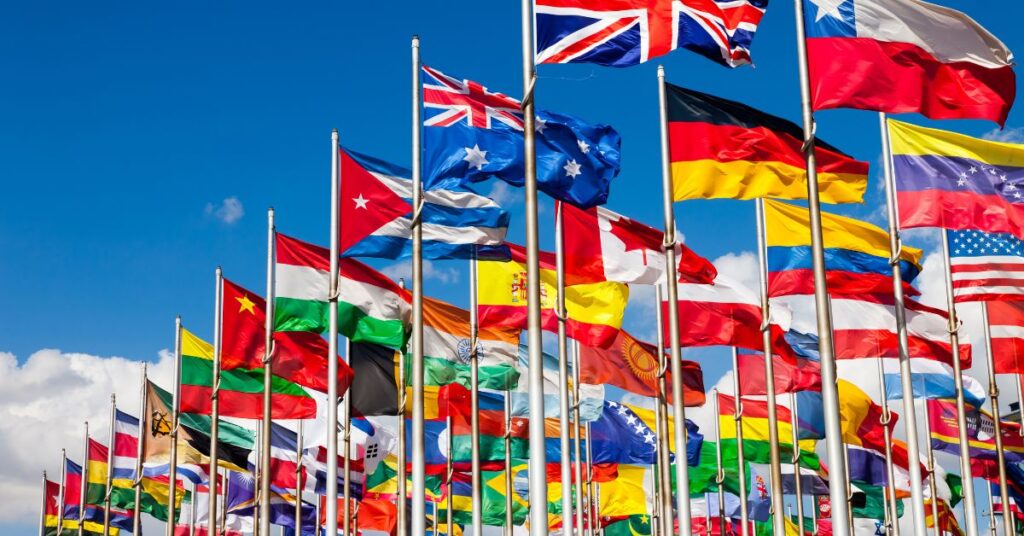
Video: A Guide To International Targeting (Hreflang Tags) And SEO
Boilerplate and Editor’s Notes.
More Info on A Guide To International Targeting (Hreflang Tags) And SEO here:
CLICK HERE to submit your press release to MyPR.co.za.


 Operalia Finalists Announced – The ‘World Cup of Opera’