There are many things that make South Africa a treasure trove of cultural and indigenous heritage, from braaivleis to lobola to Rooibos. We’re all familiar with the plant and its uses, be it as an ingredient in a beauty product or a deliciously unique tea.
For the first time in history, the miracle plant will receive the acclaim it deserves with the first National Rooibos Day on 16 January 2017. The exciting development will be celebrated globally via various social media platforms, using the hashtags #RooibosDay and #Rooibosdag. Clanwilliam, the Rooibos Capital of the world, will be playing host to a complimentary celebration where various merchants and Rooibos innovators will be showcasing their products. An integral part of the gathering involves setting a world record for the most people ever to have a cup of Rooibos Tea at the same time!
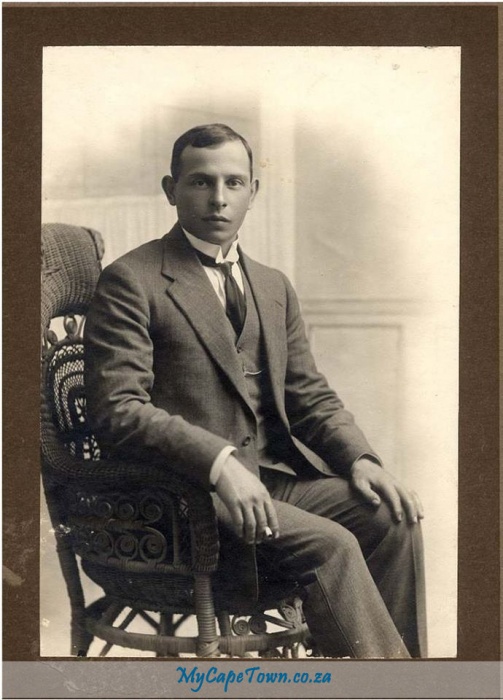
“The date also coincides with the birthday of Benjamin Ginsberg, who is widely regarded as the father of commercial Rooibos Tea,” says Marietjie Stander, co-owner of Rooibos Tea House and and co-founder of the Rooibos Route.
Ginsberg, a young Russian immigrant, joined his father, a tea trader, on the farm Rondegat in the Clanwilliam district in 1904. He quickly developed a fascination with the plant and is credited with first curing the leaves of the Rooibos-plant by letting them ferment in barrels, and opening the first commercial trade of Rooibos as a tea with local farmers, marketing it as “Mountain Tea”.
Prior to Ginsberg’s findings, the plant had long been in use by the indigenous Khoisan people of what is today known as Clanwilliam, the only place in the world where the Rooibos plant grows naturally (attempts to grow it in the United States, Australia and China have all failed). The early Dutch settlers, unable to access traditional black tea, were the first Europeans to have consumed Rooibos in beverage form.
Despite Ginsberg’s revolutionary work in the field, the method used for germinating the seeds for commercial use was yet to be discovered.
In 1930 District Surgeon and botanist Dr Pieter Le Fras Nortier found that, once the seeds were scarified, the inner-pod could easily be germinated for propagation. He introduced his revolutionary finding to the local farmers of the Clanwilliam area, thereby establishing the early beginnings of the thriving Rooibos industry, which markets its various products to 60 countries globally today.
“Recent innovations have included the use of the plant in beauty products and even in successful homeopathic cures. South African coffee shops have also developed the popular Rooibos cappuccino, the world’s first tea-based cappuccino,” says Sanet Stander, Marietjie’s sister and business partner.
Demand for Rooibos has increased by nearly fifty percent in recent years, and fervour for the plant continues to grow in European and Asian countries, as well as the United States. Experts solemnly believe that South Africa has not yet nearly seen the true boom of the Rooibos Industry.